

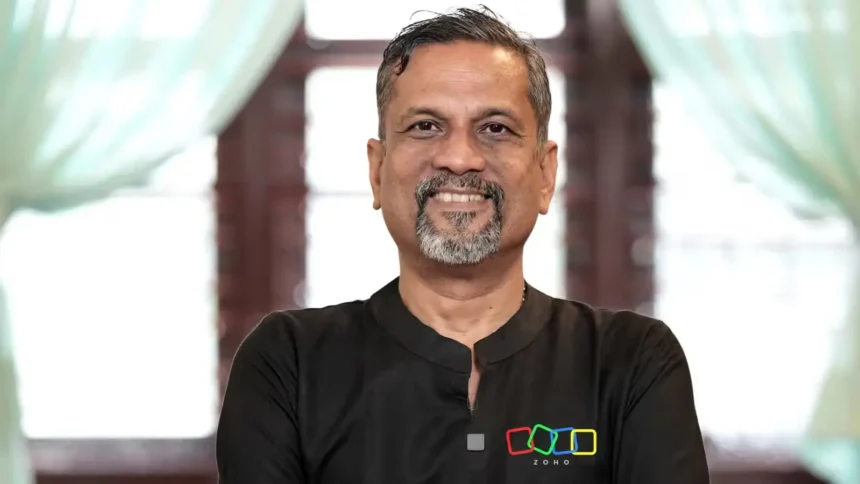
Zoho के फाउंडर श्रीधर वेम्बू ने AI के बढ़ते प्रभाव को लेकर चिंता जताई है। उन्होंने बताया कि जिस तरह औद्योगिक क्रांति में मशीनों ने बुनकरों और कारीगरों के काम को प्रभावित किया था, उसी तरह आज AI गणितज्ञों और प्रोग्रामर्स की भूमिका बदल रहा है। वेम्बू के मुताबिक, AI ने उनके एक मुश्किल कोड ऑप्टिमाइजेशन का काम महज एक घंटे और 4 डॉलर में पूरा कर दिया, जबकि इसे करने में एक कुशल प्रोग्रामर को महीनों लग सकते थे।
Sridhar Vembu Warning On AI: आर्टिफिशियल इंटेलिजेंस (AI) तेजी से काम करने के तरीकों को बदल रहा है। इसका असर अब केवल सामान्य कामकाज तक सीमित नहीं है, बल्कि सॉफ्टवेयर डेवलपमेंट, इंजीनियरिंग और गणित जैसे विशेषज्ञता वाले क्षेत्रों में भी दिखाई देने लगा है। Zoho के फाउंडर श्रीधर वेम्बू ने इसी बदलाव को लेकर एक महत्वपूर्ण टिप्पणी की है। उन्होंने कहा कि इतिहास में मशीनीकरण के कारण किसानों, बुनकरों, बढ़ई और लोहारों को जिस तरह की चुनौतियों का सामना करना पड़ा था, आज वैसी ही स्थिति गणितज्ञों और प्रोग्रामर्स के सामने बन रही है।
वेम्बू ने सोशल मीडिया प्लेटफॉर्म X पर अपने अनुभव साझा करते हुए बताया कि AI ने एक ऐसा कोड ऑप्टिमाइजेशन टास्क पूरा किया, जिसमें एक कुशल प्रोग्रामर को कई महीने लग सकते थे। हैरानी की बात यह रही कि AI ने यह काम लगभग एक घंटे में पूरा कर दिया और इस पर केवल 4 डॉलर का खर्च आया।
किस बात पर श्रीधर वेम्बू ने जताई सहमति?
"The intellectual class never quite experienced the loss of purpose in their lives that many other classes of humans experienced. And this explains the heightened written angst.."I agree with Prof Subbarao, who has done a lot of work in evaluating AI capability.Yesterday, I personally prompted AI to optimize a piece of code in about an hour (while I was on the road) that would have easily taken a very smart programmer at least a month to do. It was not an easy piece of code at all and AI understood my high level intent very clearly and came up with a detailed plan and cleanly executed it and tested it against very detailed and exhaustive test cases it had constructed itself.The whole thing cost about $4 in tokens.And also yesterday, one of my non-technical colleagues showed me how he used his personal AI account to do the detailed mechanical CAD design for a motor housing, and the AI used a newly released low cost CAD software he had in his machine, which I doubt the AI was trained on. He has no engineering background, but has a curious and active mind.What happened to farmers and weavers and carpenters and ironsmiths in the waves of mechanization and automation is now starting to happen to mathematicians and programmers and …On the positive side, the example of my non-technical colleague shows how AI can enable a curious and active mind to explore realms he could not imagine doing before AI.
— Sridhar Vembu (@svembu) November 22, 2026यह चर्चा प्रोफेसर सुब्बाराव कंभमपति की एक सोशल मीडिया पोस्ट से शुरू हुई। उन्होंने लिखा था कि हर बड़ी तकनीकी क्रांति समाज के किसी न किसी वर्ग के काम और उसके जीवन के उद्देश्य को प्रभावित करती है।
प्रोफेसर के मुताबिक, औद्योगिक क्रांति के दौरान बुनकरों और अन्य कारीगरों को मशीनों के कारण बड़े बदलावों का सामना करना पड़ा था। हालांकि, उस समय बौद्धिक वर्ग को इस तरह की चुनौती का सामना नहीं करना पड़ा था।
उन्होंने यह भी कहा कि आज AI को लेकर इतनी चर्चा इसलिए हो रही है, क्योंकि इस बार प्रभावित होने वाला वर्ग अपनी बात रखने और अपनी चिंताओं को सार्वजनिक रूप से व्यक्त करने में सक्षम है।
श्रीधर वेम्बू ने प्रोफेसर की इस टिप्पणी से सहमति जताई। उन्होंने कहा कि मशीनीकरण के दौर में किसानों, बुनकरों, बढ़ई और लोहारों के सामने जो चुनौती थी, वही आज गणितज्ञों और प्रोग्रामर्स के सामने खड़ी हो रही है।
AI ने एक घंटे में पूरा किया महीनों का काम
Is #AI destroying the purpose of life? Some thoughts..
#SundayHarangue (delayed Labor Day edition)There is a general heightened angst that #AI may be destroying the purpose of life for humanity. This angst is particularly pronounced thanks to the recent AI breakthroughs in various open problems in Math.All technological revolutions destroy the purpose of life for some section of humanity or another. The weavers and other traditional craftsmen, I am sure, had the same profound loss of purpose in their lives at the dawn of industrial revolution (and of course before and after..).What is different this time may not be so much be just the mechanism of technological revolution, as it is the specific class of its victims. The intellectual class never quite experienced the loss of purpose in their lives that many other classes of humans experienced. And this explains the heightened written angst..Try to see the cautions/angst of Mathematicians in juxtaposition to those of, say, textile weavers–and you might find that they are conflating the loss of purpose of their individual lives with the loss of purpose of humanity at large.After all, a weaver could justifiably say that the final cloth is just the tip of his/her gestalt experience of making it–and they would be right. But most of the rest of us are happy with the cheap and plentiful machined cloth, and arguably civilization advanced fine.The same may well be true for the more “intellectual” disciplines. Civilization, I am afraid, may not end because humans are not the only ones doing Math..Tldr; this time it is different could possibly be in part the illusion of a newly affected class–a class that happens to also be the one that is quite articulate in expressing its angst..The good part though is that the angst doesn’t necessarily transmit across generations.. The sons and daughters of the weavers displaced by mechanized weaving grew up in the new world and found purpose native to it.We understandably carry a torch for the world we live in because it’s the only one we know; our kids will live in a different one and won’t experience its changed shape as a loss.So the purpose-destruction is real but generation-bounded, which is what underwrites my optimism that humanity (if not every individual within it) finds "a new equation" after the dip.
— Subbarao Kambhampati (కంభంపాటి సుబ్బారావు) (@rao2z) September 8, 2026श्रीधर वेम्बू ने अपनी बात को समझाने के लिए खुद का एक अनुभव साझा किया। उन्होंने बताया कि यात्रा के दौरान उन्होंने AI को एक मुश्किल कोड ऑप्टिमाइजेशन का काम सौंपा था।
वेम्बू के अनुसार, यह ऐसा काम था जिसे पूरा करने में एक कुशल प्रोग्रामर को कई महीने लग सकते थे। लेकिन AI ने इसे लगभग एक घंटे में पूरा कर दिया।
उन्होंने बताया कि AI ने केवल कोड में बदलाव करने तक खुद को सीमित नहीं रखा। उसने पहले समस्या को समझा, फिर एक विस्तृत योजना तैयार की और उस योजना को कोड पर लागू किया। इसके बाद AI ने खुद टेस्ट केस तैयार किए और उनके जरिए अपने काम की जांच भी की।
इस पूरी प्रक्रिया में टोकन के इस्तेमाल पर करीब 4 डॉलर खर्च हुए। यह उदाहरण बताता है कि AI आधारित टूल्स जटिल सॉफ्टवेयर डेवलपमेंट के काम को कितनी तेजी से पूरा करने में सक्षम हो रहे हैं।
AI से प्रोफेशनल्स को चुनौती, लेकिन नए अवसर भी
श्रीधर वेम्बू ने AI के केवल नकारात्मक प्रभावों पर बात नहीं की। उन्होंने इसके सकारात्मक पहलू का भी उदाहरण दिया।
उन्होंने एक ऐसे सहकर्मी का अनुभव साझा किया, जो इंजीनियर नहीं था और न ही तकनीकी क्षेत्र से जुड़ा हुआ था। इसके बावजूद उस व्यक्ति ने अपने निजी AI अकाउंट और कम कीमत वाले नए CAD सॉफ्टवेयर की मदद से मोटर हाउसिंग का विस्तृत मैकेनिकल डिजाइन तैयार कर लिया।
यह उदाहरण दिखाता है कि AI की मदद से अब ऐसे लोग भी तकनीकी और डिजाइन से जुड़े काम कर सकते हैं, जिनके पास पहले इसके लिए जरूरी विशेषज्ञता या प्रशिक्षण नहीं था।
वेम्बू के मुताबिक, AI एक तरफ अनुभवी प्रोफेशनल्स के सामने नई चुनौतियां खड़ी कर रहा है, तो दूसरी तरफ आम लोगों के लिए उन क्षेत्रों में काम करने के नए रास्ते भी खोल रहा है, जिनके बारे में वे पहले सोच भी नहीं सकते थे।
क्या AI बदल देगा प्रोग्रामर्स की भूमिका?
श्रीधर वेम्बू के अनुभव से यह साफ है कि AI अब केवल कोड लिखने वाला टूल नहीं रह गया है। यह समस्या समझने, योजना बनाने, कोड में सुधार करने और टेस्टिंग जैसे कई चरणों में मदद कर सकता है।
हालांकि, इसका मतलब यह नहीं है कि प्रोग्रामर्स और इंजीनियरों की जरूरत पूरी तरह खत्म हो जाएगी। लेकिन आने वाले समय में उनकी भूमिका, काम करने का तरीका और जरूरी स्किल्स जरूर बदल सकती हैं।
जिस तरह औद्योगिक क्रांति ने पारंपरिक कारीगरी और उत्पादन के तरीकों को बदला था, उसी तरह AI सॉफ्टवेयर और तकनीकी उद्योग में बड़ा बदलाव ला सकता है। ऐसे में प्रोग्रामर्स के लिए AI को समझना और उसके साथ काम करने की क्षमता विकसित करना पहले से ज्यादा महत्वपूर्ण होता जा रहा है।