



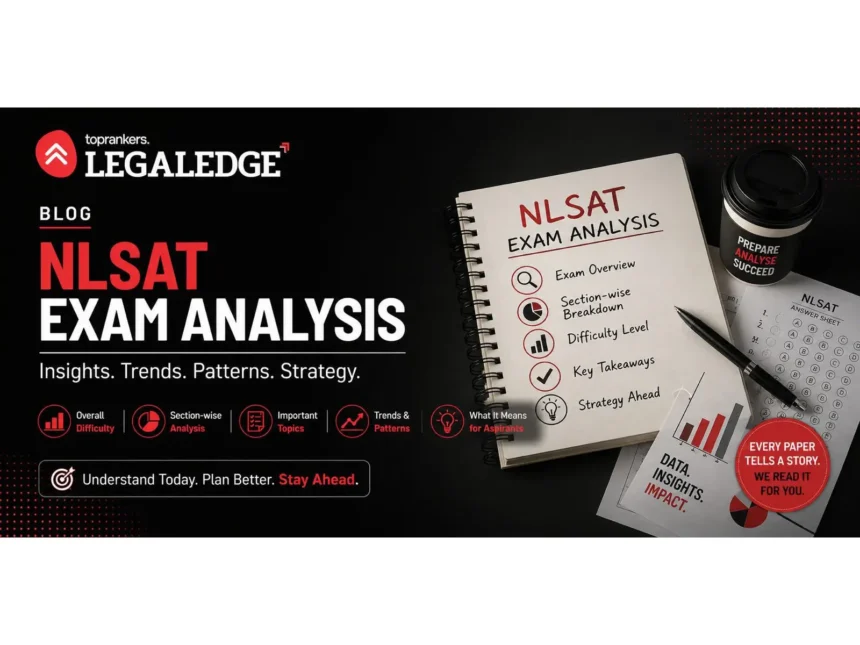
इस बार NLSAT ने वही किया जिसकी उम्मीद कम थी—pattern नहीं बदला, लेकिन paper का “feel” पूरी तरह बदल दिया। पेपर overall moderate रहा, language भी पिछले साल की तुलना में आसान थी, लेकिन असली challenge कहीं और था—reading load।
यानी इस बार फर्क content जानने से नहीं, उसे समझने और समय के अंदर process करने की क्षमता से पड़ा।
शुरुआत से ही साफ था—speed नहीं, stamina जीतेगा
पहले ही सेक्शन से यह स्पष्ट हो गया कि यह पेपर उन छात्रों के लिए था जिन्होंने सिर्फ syllabus cover नहीं किया, बल्कि reading habit develop की।
कई passages लंबे थे, layered थे और सीधे सवालों के बजाय context-based थे।
यही वजह रही कि:
- superficial preparation वाले students struggle करते दिखे
- जबकि regular reading करने वालों को edge मिला
Part A: आसान दिखा, लेकिन GK ने खेल पलटा
Part A में English, Critical Reasoning (CR) और GK शामिल थे।
LegalEdge के experts के मुताबिक English और CR sections अपेक्षाकृत manageable थे। CR में familiar pattern था—strengthen, weaken, inference जैसे सवाल।
लेकिन असली twist GK में आया।
GK में Pop Culture का unexpected entry
इस साल GK traditional static + current affairs से आगे निकल गया।
Questions में शामिल थे:
- Booker Prize और Kiran Desai से जुड़ा संदर्भ
- एक Adivasi YouTube rapper
- AI translation tools
- social media narratives
मतलब साफ है:
GK अब “facts याद करने” का नहीं, “context समझने” का खेल बन चुका है
दिलचस्प बात यह है कि कई सवाल direct नहीं थे—students को पिछले 12 महीनों की घटनाओं को broader themes से जोड़ना पड़ा।
Part B: सबसे बड़ा structural change
इस साल का सबसे बड़ा बदलाव Part B में देखने को मिला।
पहले जहां students को case study में side choose करने का option मिलता था,
इस बार उन्हें assigned position दी गई।
यानी:
- personal opinion irrelevant
- argument building skill crucial
LegalEdge के अनुसार, यह change छात्रों की legal thinking under constraint को test करता है।
Case studies: real-world issues पर focus
Part B के topics भी काफी practical और contemporary थे:
- gig workers: employee vs contractual status
- negligence: warning sign के बावजूद accident
- election rules: child limit policy
- deepfake और digital liability
यह दिखाता है कि exam अब theoretical नहीं, real-world legal application की ओर shift हो रहा है।
Essay section: opinion + awareness का mix
Essay topics open-ended थे और current debates पर आधारित थे:
- offensive war justified है या नहीं
- social welfare vs individual freedom
- past social media opinions के लिए accountability
यहां सिर्फ knowledge नहीं, balanced argument + clarity of thought जरूरी था।
Expected cut-off: safe zone कहाँ है?
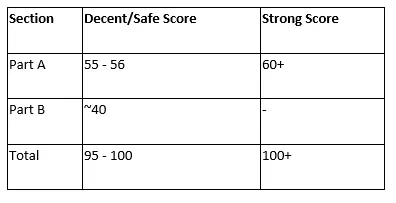
LegalEdge के अनुसार:
- 100+ marks → strong chance for NLSIU Bangalore
- 95–100 range → safe bracket
लेकिन final cut-off difficulty level और competition पर depend करेगा।
असली message क्या है future aspirants के लिए?
NLSAT 2026 एक clear signal देता है:
सिर्फ syllabus खत्म करना अब काफी नहीं है
तैयारी का तरीका बदलना होगा:
- regular reading habit develop करना
- GK को daily life से connect करना
- writing practice (pen-paper)
- diverse topics पर exposure
coaching vs self-prep: gap कहाँ बनता है?
यहां एक subtle लेकिन important point सामने आता है—
जो students mock environment में practice कर रहे थे, उन्हें time pressure handle करने में advantage मिला।
क्योंकि real exam अब:
- knowledge test नहीं
- performance under pressure test बन गया है
बड़ा trend: Law entrance exams evolve हो रहे हैं
NLSAT का यह pattern broader trend को reflect करता है:
- rote learning ↓
- analytical thinking ↑
- interdisciplinary awareness ↑
निष्कर्ष: आसान पेपर नहीं, “different” पेपर था
NLSAT 2026 को सिर्फ “moderate difficulty” कहना पूरी कहानी नहीं बताता।
यह पेपर अलग था क्योंकि:
- reading intensity high थी
- GK unpredictable था
- Part B में choice हटा दी गई
कुल मिलाकर, यह exam उन students के लिए rewarding रहा जिन्होंने consistency + comprehension पर काम किया था।
लेटेस्ट रेट्स और मार्केट अपडेट्स के लिए NewsJagran पर आज का सोने का भाव, आज का चांदी का भाव, आज का पेट्रोल-डीजल भाव, आज का LPG रेट, CNG रेट, PNG रेट, कच्चे तेल का भाव, डॉलर-रुपया रेट और IPO GMP Today देखें।