



जानें Government Employees और Private Employees के लिए Retirement Planning में क्या अंतर है। Pension, EPF, NPS, Gratuity और Investment Options का पूरा तुलना।
Retirement Planning for Government Employees vs Private Employees (2025)
भारत में रिटायरमेंट प्लानिंग (Retirement Planning) की रणनीति इस बात पर निर्भर करती है कि आप Government Employee हैं या Private Employee। दोनों के लिए आय के स्रोत, पेंशन स्ट्रक्चर और निवेश विकल्प अलग-अलग होते हैं।
🔹 1. Pension Benefits

✅ Government Employees
- Old Pension Scheme (OPS): Life-Time Pension (50% of Last Basic Salary + DA)
- New Pension Scheme (NPS – लागू 2004 के बाद): Govt. Contribution + Employee Contribution → Annuity + Corpus
- Security: Guaranteed Monthly Income
✅ Private Employees
- No OPS: Private employees को Guaranteed Pension नहीं मिलता।
- NPS (Optional): Employee खुद निवेश कर सकता है।
- Dependence: Retirement Corpus = EPF + Investments
👉 निष्कर्ष: Govt Employees को Pension की गारंटी मिलती है जबकि Private Employees को खुद Corpus बनाना होता है।
🔹 2. Provident Fund (PF)
✅ Government Employees
- GPF (General Provident Fund): केवल Govt Employees के लिए
- Interest Rate (2025): ~7.1%
- Withdrawals: Tax-Free (Maturity पर)
✅ Private Employees
- EPF (Employees’ Provident Fund): Mandatory Contribution (12% Salary)
- Employer Contribution: भी 12% (Basic + DA पर)
- Interest Rate (2025): ~8.25%
👉 निष्कर्ष: दोनों को PF से फायदा है, लेकिन Govt Employees को Pension + GPF का Double Benefit मिलता है।
🔹 3. Gratuity
✅ Government Employees
- Minimum 5 साल सेवा के बाद
- Limit: ₹20 लाख तक Tax-Free Gratuity
✅ Private Employees
- Same Rule (Payment of Gratuity Act, 1972)
- Limit: ₹20 लाख Tax-Free (पर कई बार Company Compliance Issues)
👉 निष्कर्ष: Govt Employees को Gratuity 100% सुरक्षित मिलती है, Private Employees को Company Policy पर निर्भर रहना पड़ता है।
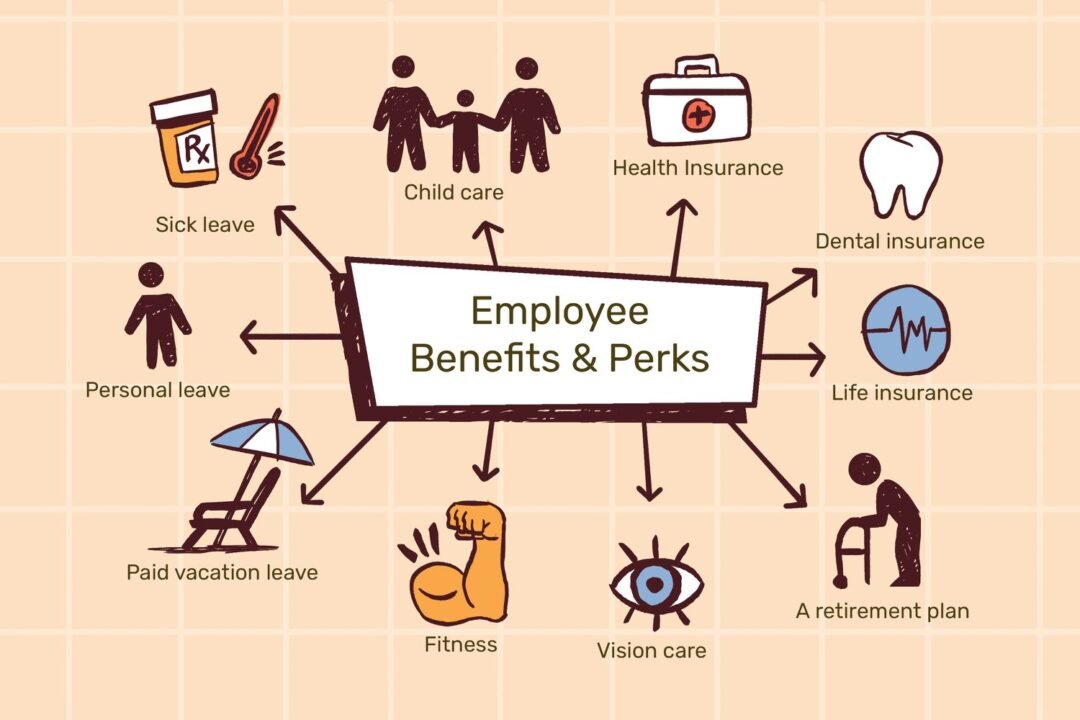
🔹 4. Healthcare & Other Benefits
✅ Government Employees
- CGHS (Central Govt Health Scheme) / State Health Schemes
- Lifetime Medical Coverage (Self + Family)
✅ Private Employees
- Health Insurance खुद खरीदना पड़ता है
- कंपनी द्वारा दी गई Insurance नौकरी छोड़ने पर बंद हो जाती है
👉 निष्कर्ष: Govt Employees को Medical Security ज्यादा है।
🔹 5. Investment Responsibility

✅ Government Employees
- Pension + GPF से Fixed Income
- Additional Investment (PPF, FD, SCSS, LIC) वैकल्पिक है
✅ Private Employees
- Retirement Corpus बनाना जरूरी है (EPF + SIP + NPS + FD + PPF)
- Investment Discipline ज्यादा जरूरी
👉 निष्कर्ष: Private Employees को Early Planning और Diversification ज्यादा करना पड़ता है।
📊 Comparison Table – Govt vs Private Retirement Planning
| Criteria | Government Employees | Private Employees |
|---|---|---|
| Pension | OPS (50% Salary) / NPS (Govt + Employee Share) | Mostly No Pension, only NPS (Voluntary) |
| Provident Fund | GPF (~7.1% Interest) | EPF (~8.25% Interest) |
| Gratuity | Guaranteed (₹20 lakh Tax-Free) | Applicable, but Company Dependent |
| Healthcare | CGHS / State Medical Benefits | Own Health Insurance Required |
| Security Level | High (Lifetime Pension + Healthcare) | Medium (Depends on Self-Built Corpus) |
| Investment Need | Moderate | High (More Planning & Diversification Needed) |
📌 FAQs – Retirement Planning Govt vs Private Employees
Q1. क्या Government Employees को Private Employees से ज्यादा फायदा है?
👉 हाँ, Govt Employees को Pension, GPF और Healthcare का फायदा मिलता है।
Q2. Private Employees के लिए सबसे अच्छा Retirement Plan कौन सा है?
👉 NPS + EPF + SIP in Mutual Funds + PPF + SCSS (Post Retirement)
Q3. Govt Employees के लिए भी NPS जरूरी है क्या?
👉 2004 के बाद भर्ती Govt Employees के लिए NPS Mandatory है।
Q4. Private Employees को रिटायरमेंट के बाद Regular Income कैसे मिलेगी?
👉 Annuity Plans, POMIS, SCSS और Debt Mutual Funds से।
लेटेस्ट रेट्स और मार्केट अपडेट्स: आज का सोने का भाव, आज का चांदी का भाव, आज का पेट्रोल-डीजल भाव, आज का LPG रेट, CNG रेट, PNG रेट, कच्चे तेल का भाव, डॉलर-रुपया रेट और IPO GMP Today देखें।